Whatcha Doodle: A Youthful Display Font for Modern Web Design
As a web designer, I’m always on the lookout for display fonts that bring personality without compromising usability. Whatcha Doodle is one of those rare finds—a handwritten typeface that feels fresh, playful, and versatile enough for real-world digital projects. With its back-to-school doodles and youthful charm, it’s more than just a decorative font. It’s a design asset that can elevate your brand’s online presence when used thoughtfully.
Understanding Whatcha Doodle’s Visual Style
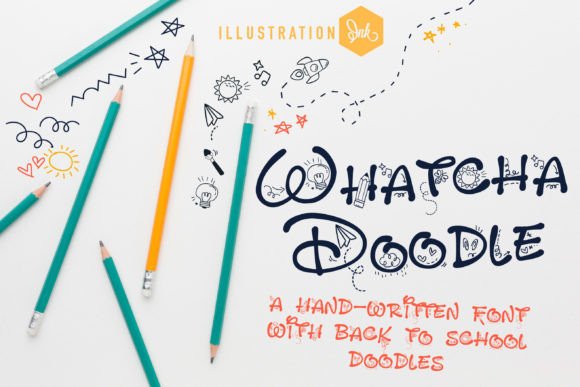
At a glance, Whatcha Doodle stands out with its organic, hand-drawn texture. Each letter carries the warmth of a personal touch, making it ideal for brands that want to feel approachable and creative. The integrated doodles—think notebooks, pencils, and backpacks—add a layer of storytelling to your typography without overwhelming the layout. It’s a display font first, designed for impact rather than long-form readability.
This font works best in short bursts—headlines, callouts, logo text, or decorative accents. Its personality shines in hero sections, landing page titles, and branded banners where visual appeal drives user engagement. The key is to use it where it can breathe and where its character can support your brand tone.
Using Whatcha Doodle in Web Design
From landing pages to portfolio sites, Whatcha Doodle brings a casual, creative energy that’s hard to replicate with standard web fonts. Here’s how I’ve used it effectively across different digital contexts:
- Hero Headers – Pair Whatcha Doodle with a clean sans serif for body text to create a strong visual hierarchy. Use it for bold, attention-grabbing titles on product landing pages or course sales pages.
- Call-to-Action Buttons – While not ideal for small buttons, it works beautifully on larger, stylized CTAs where you want a friendly, handcrafted feel.
- Blog Headers and Graphics – Use it in blog post banners or featured image overlays to add a personal, editorial touch to your content marketing visuals.
- Online Store Banners – For boutique shops or creative brands, Whatcha Doodle can make your promotional banners feel more personable and unique.
- Portfolio and Creative Websites – Perfect for designers, illustrators, or educators who want a youthful, hand-drawn aesthetic that reflects their creative process.
Readability and Digital Usability
Despite its decorative flair, Whatcha Doodle holds up well on digital screens when used correctly. For optimal readability:
- Use it at larger font sizes (36px and up) for headlines and titles.
- Avoid using it for long paragraphs or small text on mobile devices.
- Ensure sufficient contrast between the font and background—especially on dark themes or image overlays.
- Test how it performs on different screen sizes, particularly on mobile-first layouts.
Its handwritten nature means it’s best reserved for decorative or branding-focused areas. When used sparingly, it enhances visual rhythm without disrupting the user’s ability to scan and absorb content quickly.
Font Pairing Strategies
One of the most powerful ways to use Whatcha Doodle is by pairing it with a more neutral typeface. Here are some effective combinations:
- With a Sans Serif – Pair it with a clean, modern sans serif like Montserrat or Open Sans for body copy. This creates a balanced contrast between expressive headlines and legible text.
- With a Serif Font – For a more editorial or refined look, use a serif like Playfair Display or Merriweather alongside Whatcha Doodle in branding kits or digital magazines.
- With a Script Font – If you’re designing a logo or branded header, pairing Whatcha Doodle with a softer script can create a layered, handcrafted aesthetic.
Font pairing is about contrast and harmony. Whatcha Doodle plays well with others, especially when used as the visual anchor in a design system.
Practical Considerations for Web Use
Before embedding Whatcha Doodle into a live website, always check the available file formats and webfont support. Most modern display fonts come in WOFF or WOFF2 formats, which are optimized for fast loading and cross-browser compatibility.
Also, verify the following:
- Font Styles – Does it include uppercase and lowercase alternates?
- Weights – Is there a bold or light version for added flexibility?
- Multilingual Support – If your site targets non-English audiences, ensure the font supports necessary characters.
These technical details ensure your design looks consistent across all platforms and devices.
Licensing for Commercial Web Projects
When using Whatcha Doodle in client work, online stores, or digital templates, always confirm the font’s licensing terms. Most premium display fonts require a commercial license for web use, especially when embedded in a public-facing site or product.
Some key licensing questions to ask:
- Can it be used on unlimited websites?
- Is it allowed in digital templates or themes sold to others?
- Is there a limit to monthly pageviews or traffic?
Proper licensing protects both you and your client from legal issues down the line, especially when the font is hosted via a CDN or used in downloadable brand kits.
Final Thoughts
Whatcha Doodle isn’t just another decorative font—it’s a strategic design tool for web designers and digital creators who want to inject personality into their projects without sacrificing usability. Whether you're building a creative portfolio, launching a boutique shop, or crafting a branded landing page, this display font can help you stand out in a crowded digital space.