The Unicorn: A Whimsical Display Font for Modern Web Design
As a web designer, I’m always on the lookout for fonts that bring both personality and performance to the table. The Unicorn is one of those rare typefaces that manages to be playful without sacrificing clarity. It’s a display font that adds a touch of magic to digital interfaces, making it ideal for creative websites, branding projects, and conversion-focused layouts.
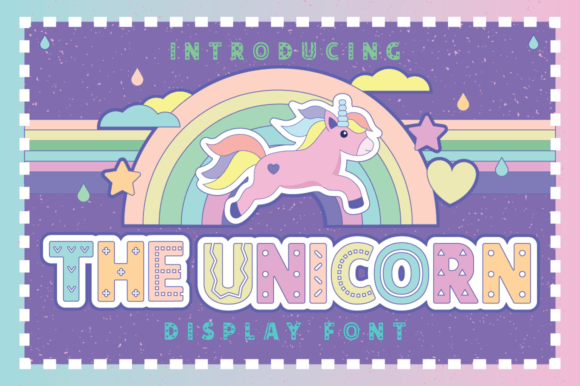
The Unicorn’s design blends modern curves with a whimsical flair. Each letter feels like a custom illustration, yet the font maintains a consistent rhythm that supports digital readability. It’s perfect for designers who want to inject charm into headers, hero sections, or branded web content without overwhelming the user.
Best Use Cases for The Unicorn in Web Design
While The Unicorn shines in decorative roles, it’s also versatile enough for strategic placement in digital products. Here are some practical applications:
- Hero Titles: Use The Unicorn for large, eye-catching headlines that immediately communicate a brand’s personality.
- Call-to-Action Buttons: Its rounded edges and soft shapes make it a great choice for buttons that feel inviting and friendly.
- Logo Text: Especially for brands in the children’s, lifestyle, or creative industries, The Unicorn can be the centerpiece of a custom logo.
- Banners and Promotional Graphics: Whether it’s for an online store or a course landing page, this font draws attention without feeling aggressive.
- Social Media Headers: It adds a polished yet playful touch to Instagram stories, Pinterest graphics, and Facebook covers.
How The Unicorn Enhances Visual Hierarchy and Brand Tone
In digital design, hierarchy isn’t just about size—it’s about tone, contrast, and emotional resonance. The Unicorn adds a layer of warmth and creativity that can help define a brand’s voice. When used for section headings or feature highlights, it guides the user’s eye through the layout while reinforcing a consistent brand impression.
For example, a boutique online store might use The Unicorn for product category banners, while pairing it with a clean sans serif for product descriptions. This contrast creates a visual rhythm that improves scanning behavior and helps users find what they need quickly.
Readability Considerations for Digital Screens
Display fonts like The Unicorn are best used at larger sizes. On mobile screens, where space is limited, it’s important to test how the font behaves in tight spaces. For buttons and short phrases, it works beautifully, especially when given enough padding and contrast against background elements.
When placing The Unicorn over images or dark backgrounds, always ensure legibility by adjusting letter spacing, using drop shadows, or adding a subtle background overlay. These small tweaks help maintain clarity without losing the font’s character.
Font Pairing Tips for Web Designers
No matter how expressive a display font is, it needs a strong supporting cast. The Unicorn pairs exceptionally well with minimalist sans serif fonts like Montserrat, Lato, or Open Sans. This combination balances whimsy with structure, making it ideal for landing pages, blog headers, and SaaS branding kits.
For editorial-style websites or creative portfolios, try pairing The Unicorn with a serif font like Merriweather or Playfair Display. This creates a layered, curated look that still feels cohesive and intentional.
Technical Features to Check Before Using The Unicorn
Before embedding The Unicorn in a live website or client project, make sure to review the font’s technical specs. Look for webfont formats like WOFF and WOFF2, which ensure compatibility across browsers. Also, check if the font includes multiple weights, ligatures, and alternate characters for added flexibility.
Multilingual support is another important factor, especially for global brands or online stores targeting international audiences. If The Unicorn includes extended language support, you’ll be able to use it confidently across diverse content types.
Licensing and Commercial Use Considerations
As with any premium font, licensing is a key consideration. Always verify that The Unicorn is licensed for web use, especially if you’re embedding it in a live website or downloadable brand kit. Some fonts require a separate license for client work or template distribution, so it’s worth double-checking before deployment.
For SaaS founders and digital product creators, ensuring proper font licensing is not just a legal formality—it’s part of building a trustworthy, professional brand identity.
Practical Examples of The Unicorn in Action
I’ve personally used The Unicorn in several client projects with strong results:
- Creative Portfolio Sites: A freelance illustrator wanted a unique header font that reflected their playful style. The Unicorn became the centerpiece of their homepage hero section.
- Online Boutique: For a children’s clothing brand, we used The Unicorn in promotional banners and product tags to create a joyful, approachable look.
- Coaching Websites: A life coach used the font for section headings and quote graphics, helping to convey warmth and authenticity.
- Course Sales Pages: In a digital course about creativity, The Unicorn was used for headlines and key benefit points, reinforcing the theme of imagination and inspiration.
In each case, the font contributed to a stronger brand tone and improved engagement without compromising readability or usability.
Final Thoughts on Using The Unicorn for Web Design
The Unicorn is more than just a decorative font—it’s a tool for shaping digital experiences. When used thoughtfully, it can elevate a brand’s tone, support visual hierarchy, and create a memorable impression. Whether you’re designing a landing page, portfolio site, or online store, this display font offers a unique blend of whimsy and functionality that’s hard to find elsewhere.