Mavora: A Wavy Display Font That Adds Personality to Handmade Product Designs
I was putting together a new line of candle labels when I stumbled upon Mavora. I needed a font that felt modern but approachable, something that could stand out on a small sticker yet still feel elegant on a wedding invitation. The first time I typed out “Lavender Fields” in Mavora, I knew it was the right choice. The soft waves and clean lines gave my candle label a custom, boutique feel that matched the product perfectly.
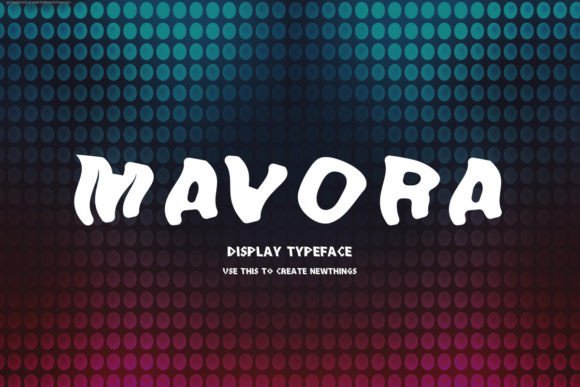
Mavora is a display font with a distinct personality. Its wavy baseline and contemporary curves make it ideal for projects that need a touch of flair without veering into overly decorative territory. It’s the kind of font that works well in both print and digital formats, making it a versatile asset in any maker’s toolkit. Whether you're designing greeting cards, packaging tags, or SVG files for Cricut or Silhouette projects, Mavora brings a sense of movement and warmth to your text.
Bringing Mavora Into Real-World Craft Projects
One of my favorite uses for Mavora has been in seasonal greeting cards. For a recent line of spring cards, I used the font for the main sentiment on the front. Paired with a simple sans serif for the message inside, it created a nice visual contrast and gave the design a modern handmade vibe. The font’s rounded edges and airy spacing made it easy to cut with my Cricut machine, especially when I was working on sticker-style embellishments for the envelopes.
Wedding invitations are another area where Mavora shines. I used it for the couple’s names on a rustic-themed invitation suite, and it added just the right amount of whimsy without looking too casual. Because Mavora is a display font, it’s best suited for titles, names, and short phrases rather than long paragraphs. This makes it perfect for event signage, welcome boards, or even name tags for place settings.
How Mavora Elevates Packaging and Product Presentation
When you’re running a small handmade shop, every detail counts — and that includes the typography on your product labels. I recently switched my boutique-style soap tags to Mavora, and the difference was immediate. The font gave the tags a more polished, intentional look that customers have noticed and complimented. It’s subtle, but the right font can elevate your product’s perceived quality and help build brand recognition.
For packaging, Mavora works well on hang tags, thank you cards, and even printed tissue paper. It has a friendly yet professional tone that pairs nicely with minimalist or farmhouse-style designs. I’ve also used it for digital download previews — like mockups of planner pages or printable wall art — where it helps convey the creative energy behind the product.
Readability and Practical Design Tips
As with any display font, readability is key, especially when you’re working with small stickers or printed labels. I’ve found that Mavora holds up well even at smaller sizes, as long as the background is clean and the contrast is strong. When using it for cutting machines, I recommend checking the spacing between letters to ensure they don’t merge when scaled down. This is especially important for intricate letters like the lowercase “a” and “e” in Mavora’s design.
For product tags or packaging labels, I usually stick to uppercase text with Mavora. It gives a more balanced look and avoids any issues with descenders getting cut off. When using the font digitally, such as for social media graphics or listing images, I make sure to use a high-resolution export setting so the curves stay crisp and clear.
Font Pairing Ideas for Mavora
One of the joys of working with Mavora is experimenting with font pairings. Since it’s a modern display font, I like to pair it with clean, minimalist typefaces that let it take center stage. For example, using Mavora for a product title and a simple sans serif like Montserrat or Lato for supporting text creates a nice balance of style and function.
For more rustic or handwritten-style projects, I’ve paired Mavora with a script font like Pacifico or a soft handwritten font for the body text. This works especially well for boutique packaging or handmade greeting cards where you want a warm, personal feel. If you’re going for a bold look, try combining Mavora with a strong serif font for contrast — this can be great for seasonal signs or limited-edition product labels.
What to Check Before Using Mavora Commercially
Before you start using Mavora in your commercial designs — whether it’s for printables, SVG files, or physical products — it’s important to check the font’s licensing. Many display fonts are available for personal use but require a commercial license for resale. Make sure you have the proper permissions, especially if you're selling digital templates, downloadable designs, or merchandise where the font is a key design element.
Also, verify what styles and alternates are included in the font package. Mavora typically comes with ligatures, swashes, and multiple weights, which can add depth to your designs. File formats matter too — for cutting machines, you’ll want to ensure the font is compatible with TrueType or OpenType formats. And if you’re creating products for international markets, check for multilingual support to make sure the font covers the necessary character sets.
Real-World Mavora Projects You Can Try
- Custom candle labels with scents like “Eucalyptus Mist” or “Cozy Cabin”
- Wedding welcome boards with names and event dates
- Printable wall art with phrases like “Live, Laugh, Love” or seasonal quotes
- Farmhouse-style signs for kitchens or entryways
- Digital planner pages with decorative headers and calendar titles
- Boutique packaging tags for handmade soaps or jewelry
- Holiday gift tags with names and short greetings
Whether you're a seasoned Etsy seller or just starting out with printable designs, Mavora is a font that can bring your creative ideas to life. Its modern curves, wavy baseline, and versatile appeal make it an excellent choice for a wide range of handmade products. By choosing the right font, you’re not just adding text — you’re crafting a brand identity, a visual story, and a lasting impression for your customers.